Best Warm Light Bulbs: Choose by Room and Label
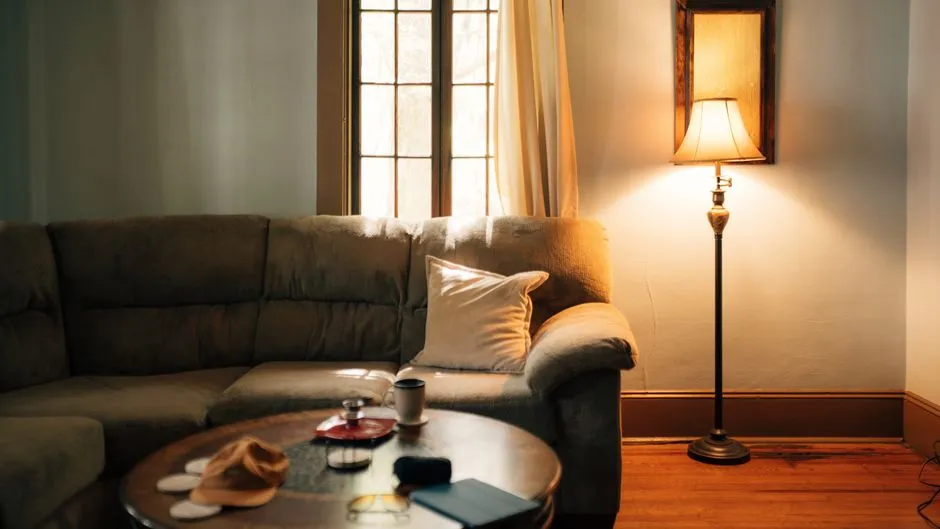
- The best choice depends on the job, not the word “cozy”
- Quick picks and honest drawbacks
- Read lumens before watts
- Pick 1: fixed 2700K for evening-first rooms
- Pick 2: fixed 3000K for warm task light
- Pick 3: dim-to-warm for one fixture with two lives
- Pick 4: shape-first bulbs for visible fixtures
- Decode the Lighting Facts label
- Check compatibility in this order
- Build layers instead of forcing one bulb to do everything
- Sample with a simple room test
- Skip claims the label cannot support
- Make the final choice on a one-line scorecard
The best choice depends on the job, not the word “cozy”
Choose a warm light bulb by the work its fixture must do: useful brightness, controlled glare, and a colour appearance that suits the room. Choose 2700K for an amber-leaning evening mood, 3000K for a cleaner warm white, or dim-to-warm when one fixture needs to shift from active to relaxed. Compare base, shape, lumens, enclosed-fixture rating, dimmer compatibility, colour rendering information, energy use, and warranty before buying multiples.
Our category verdict is straightforward: 2700K fixed-colour LED is the safest first sample for living and sleeping spaces; 3000K is more versatile where reading, food, or material colour matters; dim-to-warm earns its complexity only when you will actually use the range. No specific bulb is “tested” or sold here. These picks are product types evaluated against label clarity, room role, control needs, compatibility, and the cost of getting the choice wrong.
Quick picks and honest drawbacks
| Best use | Category pick | Why it earns the spot | Worth knowing |
|---|---|---|---|
| Relaxed living room or bedside lamp | Fixed 2700K dimmable LED | Familiar warm appearance; widely applicable | Can make crisp whites and some paint colours read more amber |
| Kitchen, desk, or mixed task-and-lounge space | Fixed 3000K dimmable LED | Warm but visually cleaner for detail | May feel less candle-like at night |
| One fixture serving several moods | Dim-to-warm LED | Colour appearance warms as output falls | Control compatibility and model-to-model behaviour add complexity |
| Open shade or visible bulb | Warm LED with suitable shape and low glare | Proportion and filament appearance can support the fixture | Decorative bulbs may trade useful output or diffusion for looks |
| Rental or uncertain room | One returnable sample bulb | Lets you judge the actual paint, shade, and evening use | Requires a separate test before buying a full set |
The best process begins with one sample. Product photographs cannot reproduce your wall colour, shade lining, viewing angle, or neighbouring lamps.
Read lumens before watts
Lumens describe brightness; watts describe energy use. The Federal Trade Commission’s consumer light-bulb guide makes that distinction explicit and points shoppers to the Lighting Facts label for brightness, estimated energy cost, life, light appearance, wattage, and mercury information where applicable.
Start by recording the lumens of a bulb whose brightness is close to useful. If the old lamp is too dim, increase output modestly or distribute light across more fixtures. If it is glaring, a lower-lumen bulb, a better shade, or indirect placement may help more than merely choosing a warmer colour.
ENERGY STAR’s brightness reference gives familiar incandescent comparisons: 450 lumens for the old 40-watt category, 800 lumens for 60-watt, 1,100 lumens for 75-watt, and 1,600 lumens for 100-watt. Those are comparison anchors, not a promise that 800 lumens suits every lamp or room.
Never exceed the fixture manufacturer’s allowed lamp type, wattage, size, or thermal conditions. Efficient bulbs still produce heat, and enclosed fixtures need bulbs specifically rated for that environment.
Pick 1: fixed 2700K for evening-first rooms
Why it works
At 2700K, many bulbs produce a light appearance associated with traditional warm household lamps. This category suits bedrooms, living rooms, reading corners, and dining areas where the primary goal is a relaxed evening atmosphere.
It often complements honey, walnut, rust, warm cream, brass, and terracotta. That makes it a natural starting point beside the textures in the warm area rug guide or a room that mixes brass and wood accents.
Worth knowing
Warm appearance can shift pale grey, blue, green, and crisp white surfaces toward yellow or dullness. If accurate material colour matters—art, clothing, food prep, or detailed craft—2700K may be too amber as the only source.
Colour temperature does not tell you everything about colour rendering. Compare any colour-rendering information the manufacturer supplies, then view important finishes under the bulb itself.
Buy when
The room is mainly used after dark, the current warmth is pleasant, and you want a stable appearance across dimming levels.
Pick 2: fixed 3000K for warm task light
Why it works
At 3000K, light still sits on the warm side of common household options but often appears cleaner and less amber than 2700K. It can bridge a kitchen, home office, bathroom, or multipurpose living space where people need both atmosphere and visual clarity.
Use it in shaded table lamps, under-cabinet fixtures that accept compatible lamps, or ceiling fixtures where adequate brightness matters. A diffuser or opaque shade can cut direct glare, though the light reaching the room will depend on its material and shape.
Worth knowing
People accustomed to 2700K may read 3000K as too white in a low-lit evening room. The same rating can also look different between products because Kelvin describes correlated colour appearance, not every aspect of spectral output or tint.
Buy when
The room contains warm materials but supports active tasks, or when 2700K samples make whites look muddy. Keep colour temperature reasonably consistent among lamps seen together unless the contrast is deliberate.
Pick 3: dim-to-warm for one fixture with two lives
Why it works
Dim-to-warm lamps are designed to become warmer in appearance as light output falls. At higher output they can support conversation, tidying, or reading; at lower output they lean toward a softer evening effect.
This category can reduce the need for separate fixed-colour lamps when a single fixture serves several modes. It also makes dimming visually expressive rather than only darker.
Worth knowing
Not every model follows the same colour range or curve, and not every dimmer works smoothly with every bulb. Flicker, buzzing, sudden drop-out, limited range, or uneven behaviour across multiple lamps can occur with incompatible combinations.
The bulb must be labelled dimmable, the fixture must permit it, and the dimmer manufacturer’s compatibility information should include the relevant lamp type or model where available. Electrical alterations belong to a qualified electrician if they exceed your skills or local rules.
Buy when
You regularly change light level in the same fixture and are willing to test one bulb with the existing control before committing.
Pick 4: shape-first bulbs for visible fixtures
Why it works
In a clear globe, open sconce, or bare-bulb pendant, the bulb becomes part of the object. Common envelope families include globe, candle, and tubular shapes, but their letter and size codes vary by market and maker. Match the exact dimensions and base to the fixture, then choose output that does not create direct glare at normal eye level.
An opal, frosted, or otherwise translucent globe can diffuse light; a clear decorative lamp emphasises internal elements and sparkle. Neither is inherently better. The shade, viewing angle, and room role decide.
Worth knowing
Decorative appearance can distract from low useful output, uneven distribution, or an awkward bright point. A long bulb may not fit under a shade or inside a globe even when the base fits. Measure the available envelope before ordering.
Buy when
The bulb remains visible and its shape contributes to the fixture. For task lighting, prioritise useful distribution and glare control over an attractive filament photograph.
Decode the Lighting Facts label
For covered household bulbs in the United States, the FTC’s Lighting Facts requirements include brightness in lumens, estimated energy cost, expected life, light appearance in Kelvin, and energy used in watts. Use the label as the comparison table the package is already trying to give you.
Record these fields for each candidate:
- Lumens: useful output, not energy consumption.
- Light appearance: the Kelvin value.
- Watts: electricity used under rated operation.
- Life claim: a standardised estimate, not a guarantee in every fixture or heat condition.
- Mercury notice: relevant to CFL handling and disposal.
- Base and shape: often elsewhere on the package.
- Dimming and enclosed-fixture statements: verify in model specifications.
If two bulbs produce the same lumens and one uses fewer watts, it is more energy-efficient under the stated ratings. Do not compare watts while ignoring output; a dimmer bulb can consume less because it is giving you less light.
Check compatibility in this order
1. Base
Identify the socket or connector exactly. “Looks screw-shaped” is not a specification. Check fixture documentation or the existing bulb marking, and disconnect power before handling as instructed.
2. Physical size
Measure maximum diameter and length inside the shade or enclosure. Allow the clearances the fixture manufacturer requires.
3. Fixture environment
Confirm whether the bulb is rated for enclosed fixtures, damp or wet locations, appliances, ceiling fans, or other special conditions. A standard general-service bulb is not automatically suitable for every socket that accepts its base.
4. Dimmer or smart control
Verify the bulb’s compatibility and minimum load conditions. Smart bulbs often need continuous power and may not belong on a conventional wall dimmer unless the manufacturer explicitly permits it.
5. Voltage and local electrical standard
Buy for the fixture voltage and country. Adapters do not automatically solve ratings, approvals, or heat.
Build layers instead of forcing one bulb to do everything
Divide the room into three jobs:
- Ambient: broad background light.
- Task: focused light for reading, preparation, grooming, or work.
- Accent: light that draws attention to art, texture, shelving, or architecture.
One central bulb can be bright enough yet still create harsh shadows and dark corners. Several lower-glare sources let you control the room by activity. A 2700K table lamp can handle evening atmosphere while a 3000K task lamp supports detail, provided the transition looks intentional.
Curtain texture changes daytime light and evening contrast. The linen-versus-velvet comparison explains why a sheer-looking panel and a dense pile fabric ask different things from nearby lamps.
Sample with a simple room test
Buy one returnable candidate and evaluate it on two evenings. Keep the shade and lamp position constant. Look at:
- faces and hands;
- the palest wall colour;
- the warmest wood or fabric;
- art or objects whose colour matters;
- the fixture from normal seated and standing positions;
- dimming from high to low, if applicable.
Write down “too amber at full output” or “glare from sofa,” not merely “bad.” Specific observations tell you whether to change Kelvin, lumens, diffusion, or placement.
If using several of the same bulb in one fixture, test the full number before assuming one lamp predicts the combined brightness. Three identical 800-lumen bulbs have a nominal combined output of 800 + 800 + 800 = 2,400 lumens, but shades, direction, room surfaces, and perception determine how much feels useful.
Skip claims the label cannot support
Do not buy solely because a bulb is marketed as “natural,” “healthy,” “full spectrum,” or “sunlight-like.” Those words may not specify the feature you need and should not be treated as medical benefits. No household bulb in this guide is recommended to treat sleep, mood, skin, or any health condition.
Likewise, do not assume a long rated life guarantees the same result in a hot enclosure, incompatible dimmer, frequently switched application, or unstable supply. Use the warranty and rated-use conditions as part of the value comparison.
Make the final choice on a one-line scorecard
For each candidate, write:
Correct base and rating / fits fixture / target lumens / target Kelvin / acceptable rendering / compatible control / acceptable warranty and return terms.
Reject any bulb that fails the safety or compatibility fields before debating ambience. Among the survivors, choose the one whose sample makes the room and its actual tasks look right. Warmth is a design choice; safe fit is the entry ticket.