Linen vs Velvet Curtains: Light, Weight, and Care
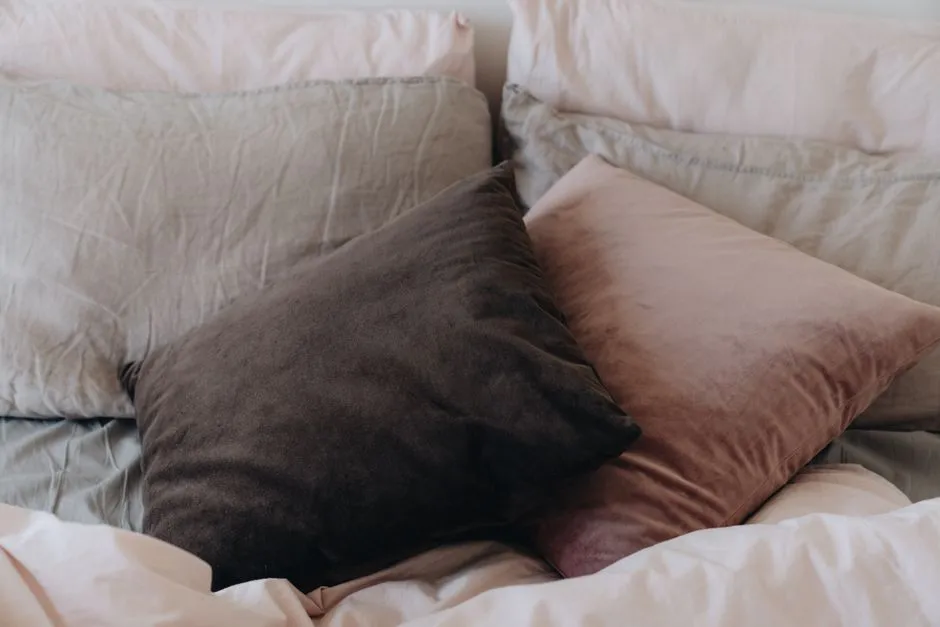
- Choose linen for filtered ease and velvet for visual depth
- Quick comparison
- Pick 1: unlined linen for light-filtering rooms
- Pick 2: lined linen for a tailored middle ground
- Pick 3: velvet for depth and strong framing
- Pick 4: layer linen with a functional shade
- Compare fibre content before colour
- Measure the installed opening, not the glass
- Match the heading to the fabric
- Plan hardware by finished load
- Sample colour under day and night light
- Coordinate curtains with rugs by role
- Care according to the exact label
- Use a five-line buying brief
Choose linen for filtered ease and velvet for visual depth
Choose linen curtains when you want filtered daylight, visible natural texture, and a relaxed drape. Choose velvet when you want richer colour, a heavier fall, and stronger light reduction from a suitably constructed or lined panel. Linen wrinkles and may reveal the window behind it; velvet holds dust, shows pile direction and pressure marks, and demands hardware capable of carrying its finished weight.
Our verdict: linen is the more flexible first choice for living and dining spaces; velvet is the stronger specialist choice for bedrooms, media rooms, and deliberately enveloping schemes. Fibre content, weave, lining, heading, fullness, and care label matter more than the category name. This comparison evaluates material behaviour and buying specifications; it does not pretend we laundered products that have not been selected.
Quick comparison
| Decision | Linen or linen-rich panel | Velvet panel |
|---|---|---|
| Daylight | Usually filters and softens | Usually reduces more, especially when lined |
| Visual weight | Airy to relaxed | Dense and dramatic |
| Texture | Slubbed, dry, visibly woven | Pile with directional sheen |
| Wrinkles and marks | Creasing is part of the look | Pressure and pile marks can show |
| Hardware demand | Light to medium, depending on lining | Often heavier; verify total load |
| Care | Exact label controls; shrinkage may matter | Exact label controls; specialist care is common |
| Best first use | Casual living, dining, layered windows | Bedrooms, formal rooms, cosy alcoves |
| Main drawback | Privacy and light control may be limited | Bulk, dust, care, and hardware requirements |
Neither fabric is automatically blackout, insulating, washable, sustainable, or luxurious. Those claims depend on the exact fibre, construction, lining, manufacturing information, and use.
Pick 1: unlined linen for light-filtering rooms
Why it works
Unlined linen or linen-rich curtains soften daylight while keeping the window visually light. The weave and characteristic irregularity add texture without introducing a large pattern. Warm white, flax, oat, clay, and muted amber versions sit easily beside wood and aged metal.
This is our best category for a living room that has privacy from distance or another layer at the glass. It also lets the wall and window architecture remain visible rather than turning the opening into one dense colour field.
Worth knowing
Unlined fabric may reveal silhouettes at night when interior lights are on. Direct sun can also show every weave variation, seam, and colour shift. “Light filtering” is not a standard promise of privacy.
Natural linen may crease, relax, or change after cleaning. Linen-look polyester and blends can behave differently, so read the fibre label instead of assuming the appearance tells you the content.
Buy when
You can tolerate visible texture and soft wrinkles, privacy needs are modest or separately handled, and daylight is part of the room’s character.
Pick 2: lined linen for a tailored middle ground
Why it works
A lining gives linen more body, protects the face fabric from some direct exposure, hides the view from outside more effectively, and can improve how folds fall. Different lining types change light reduction, colour, stiffness, and cleaning requirements.
This category suits a bedroom or street-facing living room where you want linen’s dry texture without relying on a single sheer layer. It can also reduce the high-contrast glow that makes an unlined panel look beautiful by day and startlingly transparent at night.
Worth knowing
The lining can make the curtain heavier and less breezy. Face fabric and lining may respond differently to moisture, heat, or cleaning, so the completed panel’s care label controls. Do not remove or wash a lining separately unless the product is designed for it.
Buy when
You want linen’s surface but need more privacy, structure, or light control. Verify whether the product is described as privacy-lined, room-darkening, or blackout and what that wording means in the seller’s specification.
Pick 3: velvet for depth and strong framing
Why it works
Velvet’s pile catches light differently as direction changes, giving warm colours unusual depth. Rust, tobacco, ochre, olive, and warm brown can appear almost shaded within one panel. The fabric’s visual density makes a large window feel framed and can balance substantial furniture.
Velvet is our best specialist pick for a bedroom, media space, formal dining room, or small alcove where softness and enclosure are intentional. A suitable lining can further reduce light, but the finished specification—not velvet alone—determines performance.
Worth knowing
The pile can show hand marks, pressure, seam impressions, and directional changes. Dust and pet hair may be more visible or harder to remove than on a smoother weave. Some velvet panels are heavy enough to require a stronger rod, more brackets, suitable wall anchors, or professional installation.
Velvet can also consume stack-back space when open. A beautiful pair that blocks a quarter of the window has made a fairly aggressive daylight decision.
Buy when
You are comfortable with the care method, have verified hardware capacity and wall fixing, and want the curtain to carry significant visual weight.
Pick 4: layer linen with a functional shade
Why it works
Pair a linen face curtain with a separately operated roller, Roman, cellular, or other compatible shade at the glass. The shade handles privacy or darkness; the linen handles softness and colour. Each layer has one clear job.
This is often more flexible than asking one fabric to be sheer at noon and blackout at midnight, a performance standard usually reserved for stage magicians and misleading product photography.
Worth knowing
Layering costs space, hardware, installation effort, and money. Window handles, recess depth, radiators, vents, and cleaning access can conflict. Different products may also carry different child-safety requirements for cords or chains; select compliant designs and follow the manufacturer’s installation instructions.
Buy when
Your privacy and light needs change substantially across the day and the window can physically accept two treatments.
Compare fibre content before colour
“Linen curtain” may mean 100 percent flax linen, a linen blend, or a fabric marketed for linen-like texture. “Velvet” describes a pile construction and can be made from cotton, silk, viscose, polyester, or blends. Each version differs in drape, shine, resilience, shrinkage, price, and care.
Ask for:
- complete fibre percentages;
- face and lining composition;
- finished panel weight if hardware capacity is a concern;
- cleaning instructions;
- shrinkage or dimensional-change warnings;
- light-control description;
- flame-performance information where your building or use requires it;
- swatch availability and return terms.
Do not invent a fibre hierarchy. Polyester is not automatically easy forever; linen is not automatically low-impact; cotton velvet is not automatically washable. Manufacturing, finishes, durability, use, and care all affect the honest assessment.
Measure the installed opening, not the glass
Decide where the rod or track will sit before ordering. Measure its usable width and the vertical distance from the actual hanging point to the intended hem.
Take vertical measurements at the left, centre, and right because floors and ceilings may not be level. Record the smallest safe clearance if you want curtains just off the floor. For a break or puddle, understand that extra fabric collects dust, can catch feet, and complicates cleaning.
Total panel width depends on heading and desired fullness. Use the manufacturer’s recommended fullness factor for that specific heading. If a 200-centimetre track uses a stated 2× fullness, total flat panel width would be 200 × 2 = 400 centimetres. That example is arithmetic, not a universal instruction; heavy velvet may become too bulky at the same fullness that suits a light linen.
Check stack-back—the width occupied by opened curtains—against the wall space beside the window. Thick fabrics and high fullness need more.
Match the heading to the fabric
Wave or ripple-style headings
These create regular folds and suit both materials when the track system, gliders, and fullness are compatible. Velvet highlights the repeating light-and-dark rhythm; linen looks cleaner than with a very gathered top.
Pinch pleats
Pleats give structure and can make linen appear more tailored. On velvet, they create formal depth but concentrate weight at hooks and carriers.
Rod pockets and tabs
These can suit lighter casual panels but may be awkward to open daily, especially in heavy fabric. Friction is not a design feature merely because it arrived sewn in.
Rings and clips
Visible rings can add relaxed movement, but clips must be rated for the panel and may mark delicate face fabric. Follow the curtain and hardware instructions.
Plan hardware by finished load
Verify rod or track capacity, bracket spacing, projection, wall material, anchors, and fasteners. The curtain’s full finished weight includes face fabric, lining, heading, rings, and any trim. Do not guess capacity from how substantial the rod looks in a photograph.
Locate framing where appropriate or use anchors rated for the actual wall construction and load. Avoid drilling near unknown wiring or pipes. If the mounting surface, weight, or concealed services are uncertain, hire a qualified installer.
Keep curtains clear of heaters, open flames, cooking surfaces, and fixtures where the manufacturer specifies clearance. Fabric touching a hot source is not “layered ambience.”
Sample colour under day and night light
Order the largest practical swatch. Pin it vertically at the window and observe it in direct daylight, shade, and evening electric light. Velvet must be viewed with the pile running in the intended direction; reversing it can change apparent colour and sheen.
Warm bulbs can intensify rust, gold, cream, and brown. The warm light-bulb guide separates Kelvin, lumens, and rendering so you can diagnose whether a curtain is wrong or merely standing under an unhelpful lamp.
Compare the swatch with the floor and largest upholstered item. A curtain does not need to match, but its undertone should either relate or contrast deliberately. Five near-beiges that disagree can look busier than one honest terracotta.
Coordinate curtains with rugs by role
If the warm-toned area rug carries a visible pattern, quieter curtains let the rug lead. If the rug is low-contrast, velvet can supply depth at the perimeter. Repeat one minor colour across the two textiles rather than ordering them in the same fabric or exact shade.
Vary texture scale: a pronounced linen slub works beside a low, dense rug; glossy velvet can balance a matte flatweave. Too many equally assertive textures compete for touch and attention.
Care according to the exact label
Vacuum curtains gently with suitable low suction and a clean upholstery attachment if the maker permits it. Support the fabric; do not drag a rough tool across velvet pile.
For stains, blot rather than rub and follow the product instructions. Test any approved cleaner in an inconspicuous place. Ventilate as directed, wear required protection, and never combine cleaning chemicals. Do not steam, iron, machine wash, or tumble dry unless the care label permits that method and temperature.
Use a five-line buying brief
Write this before browsing:
- Installed width and drop, measured at the actual hardware position.
- Required privacy and light-control level by day and night.
- Maximum practical stack-back and verified hardware capacity.
- Acceptable care method and household constraints.
- Colour role beside walls, rug, and evening lighting.
Then choose linen, lined linen, velvet, or a layered system. If the brief cannot decide between them, order swatches before panels. Fabric is wonderfully expressive; return postage is less so.
Finally, connect rods, rings, and metal details to the brass-and-wood mixing plan only after the fabric decision. Hardware should support the curtain physically first and the room visually second.